
Mastering Kitchen Design Layout: A Guide for Westchester & Greenwich Homes

Choosing the right kitchen design layout is one of the most consequential decisions in any renovation or new construction project. At LEICHT Westchester & Greenwich, we work with discerning homeowners who understand that exceptional design requires both thoughtful spatial planning and sophisticated aesthetic choices. The kitchen design layout you select will influence how your family gathers, how efficiently you can prepare meals, and how seamlessly your kitchen integrates with the rest of your home.
In the elegant homes of Westchester County and Greenwich, where architectural styles range from classic colonials to contemporary estates, the kitchen design layout must respect the home's character while meeting the demands of modern living. Let's explore how different configurations serve various needs and how color choices can enhance each layout's strengths.

Understanding Your Space: The Foundation of Kitchen Design Layout
Before selecting a specific kitchen design layout, it's essential to understand your existing space and how you want to use it. The architecture of traditional Westchester and Greenwich homes often presents unique opportunities and constraints. Many of these homes feature formal dining rooms adjacent to kitchens, allowing for layouts that can be more enclosed and focused. Newer construction and contemporary renovations typically embrace open-concept designs where the kitchen flows into living and entertaining areas.
German kitchen designers approach layout planning with precision, considering not just the footprint but also ceiling heights, window placements, structural elements, and traffic patterns. This methodical approach ensures that your kitchen design layout optimizes every square foot while creating a space that feels natural and effortless to use.
The L-Configuration: Versatile Elegance

The L-shaped kitchen design layout remains one of the most adaptable configurations, working beautifully in both traditional and contemporary Westchester and Greenwich homes. This layout positions cabinetry along two perpendicular walls, creating an efficient work zone while leaving space for dining or socializing.
When It Works Best:
L-configurations shine in open-concept spaces where the kitchen needs to interact with adjacent living areas. They're perfect for families who want to include an island or large dining table while maintaining clear sightlines throughout the first floor. This layout also works exceptionally well in homes with beautiful views, as it can be oriented to keep window walls free from upper cabinetry.
Layout Considerations:
Invest in quality corner solutions from the outset. LEICHT's innovative corner systems maximize accessibility while maintaining the clean lines essential to modern luxury kitchens. Ensure each leg of the L measures at least eight feet to provide adequate counter and storage space. Position the sink or cooktop strategically to create an efficient work triangle with the refrigerator.
Color Strategies for L-Shaped Layouts:
The L-configuration offers flexibility for two-tone color schemes. Consider using a darker, grounding color on the longer leg of the L, perhaps a rich walnut or deep gray, while keeping the shorter section in a lighter tone. This creates visual balance and helps define the work zone while keeping the space from feeling heavy.
For a more contemporary approach, try using a bold accent color on just the island or the shorter leg of the L, while maintaining neutral tones elsewhere. A striking emerald green, deep burgundy, or even black can create a focal point without overwhelming the entire kitchen. German kitchens like LEICHT offer extensive color palettes that allow for these sophisticated combinations.
In traditional homes, warm wood tones paired with classic white or cream create timeless elegance. The L-shape allows the wood to wrap around the corner, creating a sense of enclosure and warmth in the work area while the lighter tones keep the space from feeling too dark or confined.
The Galley Kitchen: Sophisticated Simplicity
The galley layout, featuring two parallel runs of cabinetry, offers refined efficiency that works beautifully in townhomes, apartments, and as butler's pantries in larger estates. This kitchen design layout creates a focused, uninterrupted workflow that serious cooks appreciate.

When It Works Best:
Galley kitchens excel in spaces where length matters more than width. They're ideal for dedicated cooking zones in homes with separate informal and formal dining areas. This layout also works wonderfully as a secondary kitchen or catering prep area in larger properties.
Layout Considerations:
Maintain at least four to five feet between opposing cabinetry runs for comfortable movement. If the galley serves as a passageway to other rooms, consider widening this to six feet. Place tall pantry cabinets and refrigeration at the ends of the runs rather than interrupting the workflow in the center.
Color Strategies for Galley Layouts:
The linear nature of galley kitchens provides an opportunity for bold color choices. For these kitchen layouts consider deep, saturated tones like navy, forest green, or charcoal on the cabinetry to create an intimate, jewel-box effect. These rich colors add depth without overwhelming the space, as the narrow width prevents them from dominating. Alternatively, use contrasting colors on opposing walls, perhaps warm walnut on one side and crisp white lacquer on the other, to create visual interest and prevent the corridor from feeling monotonous.
Light, reflective colors work equally well in galley layouts, particularly when natural light is limited. Soft grays, warm whites, and pale sage can make the space feel open and airy. LEICHT's matte lacquer finishes in these lighter tones are especially effective, as they bounce light throughout the space without creating glare.
The U-Shaped Haven: Ultimate Functionality
The U-shaped kitchen design layout surrounds the cook on three sides, creating a highly efficient workspace with maximum storage and counter area. This configuration appeals to serious home cooks and those who prioritize kitchen functionality above all else.

When It Works Best:
U-shaped layouts work beautifully in dedicated kitchen spaces, particularly in larger Westchester and Greenwich homes where square footage allows for generous clearances. They're ideal for households where multiple people cook simultaneously or where extensive meal preparation requires ample workspace. This layout also effectively contains kitchen activity, which can be beneficial in open-concept homes where you want to minimize visual clutter in adjacent living spaces.
Layout Considerations:
Maintain at least five feet of clearance between opposing walls to allow cabinet doors and appliances to open comfortably. In tighter spaces, consider removing a section of cabinetry on one wall to create a more open feel. Position tall pantry cabinets and refrigeration thoughtfully to avoid creating a boxed-in sensation.
Color Strategies for U-Shaped Layouts:
The enclosed nature of U-shaped kitchens requires careful color consideration. Too much dark color can feel oppressive, while too much white might seem clinical. The solution often lies in thoughtful layering.
Consider using darker colors on lower cabinetry, deep blues, warm grays, or rich browns, while keeping upper cabinets in lighter tones or eliminating them entirely in favor of open shelving or windows. This creates visual weight at the floor while maintaining airiness at eye level.
Alternatively, use color to differentiate the three walls: perhaps a statement color on the central wall where you might position the range, with complementary neutral tones on the perpendicular walls. This creates a focal point and prevents the three walls from blending into a single, monotonous surface.
For those who love bold color, the U-shape can support it, the key is ensuring adequate natural light. In well-lit spaces, dramatic colors like deep teal, chocolate brown, or even matte black can create stunning, enveloping environments that feel luxurious rather than claustrophobic.
The Island-Centric Design: Social and Functional
While not a layout unto itself, the island has become so central to modern kitchen design that it merits dedicated discussion. An island transforms any kitchen design layout into a more social, functional space that serves as both a workspace and a gathering point.

When It Works Best:
Islands work in nearly any layout provided you have adequate space—typically requiring at least 42 to 48 inches of clearance on all sides. They're particularly effective in open-concept homes where they provide a natural boundary between kitchen and living areas. Islands also excel in larger kitchens where they can reduce walking distances within oversized layouts.
Layout Considerations:
Size the island proportionally to your kitchen—oversized islands compromise the surrounding workspace. If incorporating seating, plan for 24 inches of width per person and 12 to 15 inches of overhang. Consider what functions the island will serve: prep work, cooking, cleanup, or dining? This determines placement of plumbing, electrical, and ventilation.
Color Strategies for Kitchen Islands:
Islands present a perfect opportunity for color contrast. In a primarily neutral kitchen, the island becomes a statement piece. Consider deep, sophisticated tones that anchor the space: navy, forest green, charcoal, or even bold black. These colors create visual weight that grounds the kitchen while providing a stunning focal point.
For two-tone kitchens, the island often carries the secondary color. If your perimeter cabinetry features warm wood tones, a white or cream island creates beautiful contrast. Conversely, if walls are neutral, a richly stained walnut or oak island adds warmth and character.
Don't overlook the potential of unexpected colors for islands in modern luxury kitchens. Dusty pink, sage green, or warm terracotta can create sophisticated focal points when executed in the right finish. LEICHT's matte lacquers make even unconventional colors feel refined and timeless.
Making Your Decision
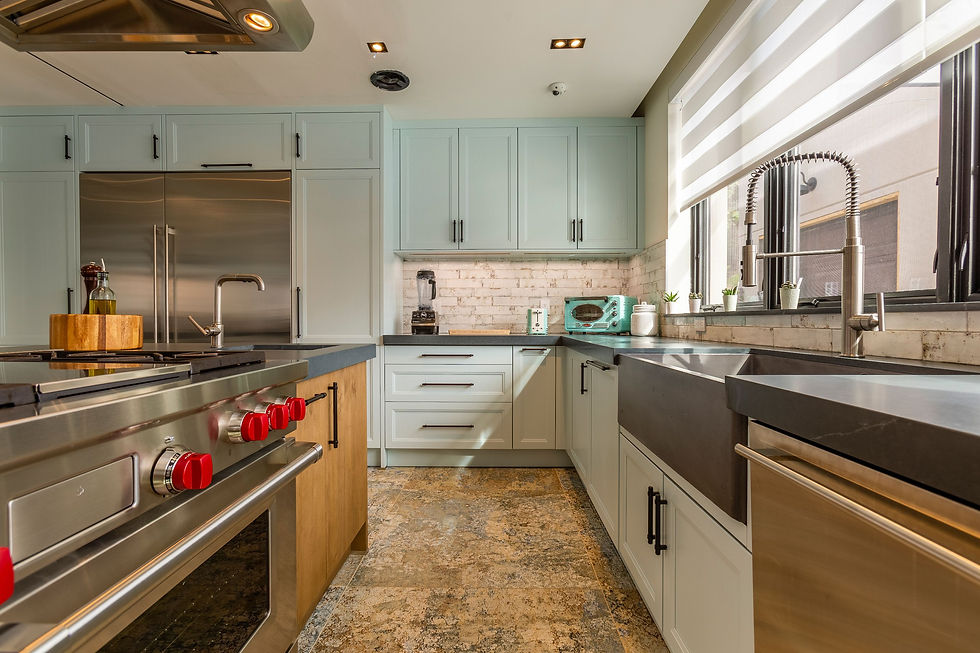
Selecting the right kitchen design layout requires balancing spatial constraints, functional needs, aesthetic preferences, and lifestyle considerations. There's no universally superior configuration, only the layout that works best for your specific circumstances.
Visit LEICHT Westchester & Greenwich to experience different layouts in person and see how various color combinations transform each configuration. Our team can help you understand which kitchen design layout complements your home's architecture, accommodates your cooking style, and creates the atmosphere you envision. Through careful planning and the precision engineering of German kitchens, we'll create a space that serves your family beautifully for decades to come.
The perfect kitchen design layout is one where form and function align seamlessly, where the spatial configuration supports your daily rhythms while the design expresses your personal aesthetic. By thoughtfully considering both elements, you'll create a kitchen that's not just beautiful to look at, but truly wonderful to live with.


